Dining Room Furniture Guide
A practical step-by-step guide to dining room furniture guide, including preparation, instructions, common issues, tips, and next steps.
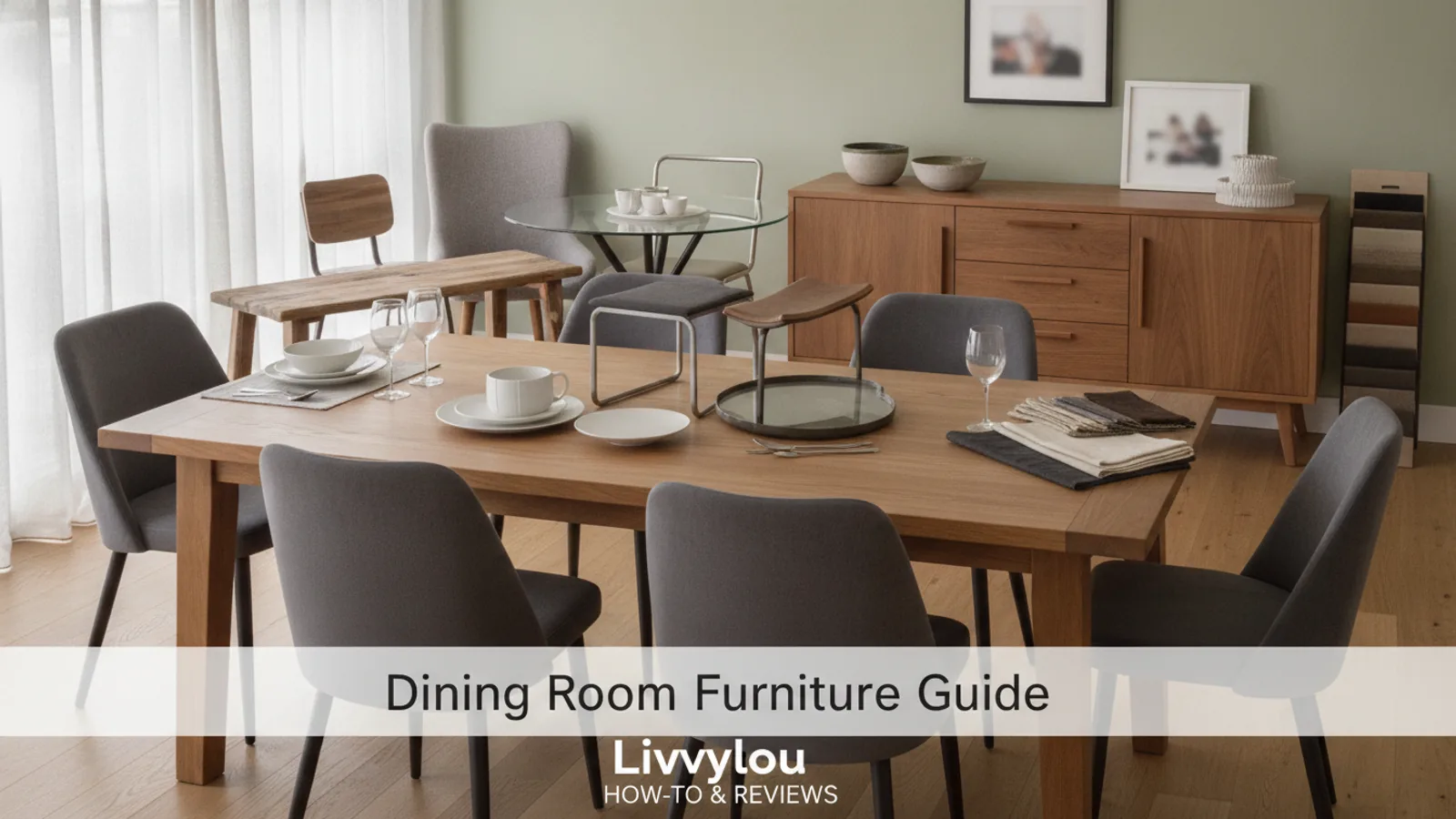
Dining Room Furniture Guide
This guide explains how to approach dining room furniture guide, including the preparation, practical steps, common mistakes, and final checks that help you finish with confidence.
Before You Start
Step-by-Step Instructions
Quick Reference
Common Problems When You Choose Dining Room Furniture
Even with careful planning, sometimes issues can arise when selecting and setting up your dining room furniture. Here are some common problems and how to address them:
- Table is too big or too small: The most frequent mistake. A table that's too big will make the room feel cramped and disrupt traffic flow. A table that's too small might not seat everyone comfortably or look awkward in a large room.
- Chairs don't fit under the table: The arms of chairs might hit the tabletop or the seat height might be too high. This makes sitting uncomfortable and pushing chairs in difficult.
- Mismatched styles: Mixing different furniture styles can create an interesting look, but sometimes it just looks messy or unplanned.
- Poor lighting: A single, dim overhead light can make the dining room feel unwelcoming or make it hard to see your food properly.
- Uncomfortable chairs: Chairs might look great but are hard, have poor back support, or are too deep/shallow for comfortable seating during a meal.
Advanced Tips for Dining Room Furniture Guide
Once you've mastered the basics, here are some ways to elevate your dining room and make it truly unique:
- Mix and match materials and textures: Don't be afraid to combine different materials for a more layered and sophisticated look. For instance, pair a rustic wooden table with sleek metal chairs, or a glass table with upholstered velvet chairs. The contrast can add visual interest and depth.
- Incorporate a statement piece: Beyond the table, choose one item that stands out. This could be a dramatic chandelier, a large piece of art, a unique sideboard, or chairs in a bold colour. This draws the eye and gives the room personality.
- Consider banquette seating: For smaller spaces or a cosy, built-in look, a banquette bench along one wall can save space and add a stylish, custom feel. You can then pair it with chairs on the opposite side.
- Think about acoustics: Dining rooms can sometimes feel noisy, especially with hard surfaces. Add soft furnishings like a large rug, curtains, or upholstered chairs to absorb sound and create a more comfortable dining experience.
- Future-proof your choices: While trends come and go, investing in timeless, high-quality pieces for your main dining room furniture (table and chairs) will serve you well for years. You can then update the look with smaller, less expensive accessories.
- Create zones in open-plan spaces: If your dining area is part of an open-plan living space, use clever furniture placement, a large rug, or even a low shelving unit to subtly define the dining zone without putting up walls.
Dining Room Furniture Guide FAQ
Here are answers to some common questions about dining room furniture:
Q: How much space should I leave around my dining table?
A: Ideally, aim for at least 90cm (3 feet) of clear space between the edge of your dining table and any walls or other furniture. This allows enough room to pull out chairs and for people to walk comfortably around the table.
Q: Should my dining chairs match my table exactly?
A: Not necessarily! While a matching set is a classic look, mixing and matching chairs with your table can create a more personal and eclectic style. If you mix, ensure there's a unifying element, like a consistent colour palette, a shared material finish (e.g., all wood, even if different types), or a similar design era to keep the look cohesive.
Q: What's the best material for a dining table if I have children?
A: Durable and easy-to-clean materials are best. Solid wood (especially with a protective finish), laminate, or certain engineered stones are good choices. Glass can show fingerprints and scratches easily, and some softer woods can dent. Consider a matte finish over a high-gloss one, as it tends to hide minor imperfections better.
Q: How high should a chandelier hang above the dining table?
A: A good general guideline is for the bottom of the chandelier to be about 75-90cm (30-36 inches) above the tabletop. This ensures it illuminates the table effectively without obstructing views or bumping heads.
Q: Can I use a round table in a rectangular room?
A: Yes, absolutely! A round table can soften the lines of a rectangular room and create a more intimate atmosphere. Just make sure the diameter of the table allows for adequate clearance around all sides within the room's dimensions.
Final Checklist for Dining Room Furniture Guide
Use this checklist to ensure you've covered all the key aspects of choosing your dining room furniture:
- Measured your room: Accurately determined the length, width, and considered all obstructions.
- Accounted for traffic flow: Ensured at least 90cm (3 feet) clearance around the table.
- Set a clear budget: Defined how much you're willing to spend on all items.
- Chosen the right table shape and size: Based on room dimensions and seating needs.
- Selected appropriate table material: Considering durability, maintenance, and style.
- Picked comfortable and suitable chairs: Checked height, comfort, quantity, and style.
- Considered additional storage: Decided if sideboards or display cabinets are needed.
- Planned your lighting: Ensured adequate overhead and ambient light.
- Thought about accessories: Rugs, artwork, and centrepieces to complete the look.
- Checked delivery and assembly logistics: Confirmed furniture will fit and can be set up.
- Reviewed overall style and function: Ensured everything works together cohesatively.
FAQ
What should I check before I start?
Check the goal, the key prerequisite, and any current instructions that could change the safest next step for dining room furniture guide.
How can I tell whether the result is working?
Use the practical checks in the guide, pause if a required step is unclear, and verify the finished result against the intended outcome.