Dining Room Organisation Ideas
A practical step-by-step guide to dining room organisation ideas, including preparation, instructions, common issues, tips, and next steps.
Dining Room Organisation Ideas
Before You Start
Quick Summary: dining room organisation ideas
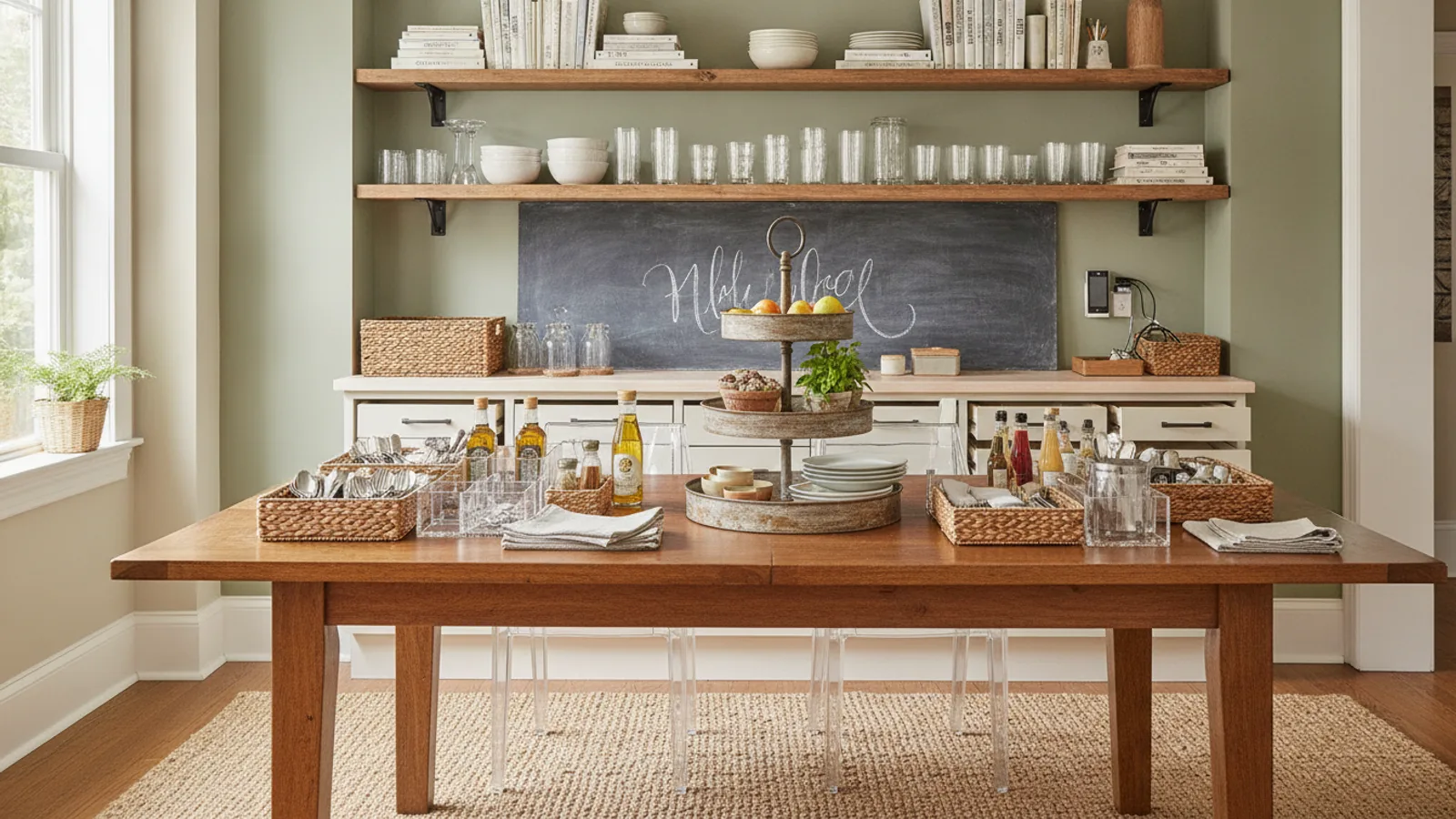
Organising your dining room effectively involves a multi-step process, beginning with a thorough decluttering to remove unused or misplaced items. Once unnecessary objects are removed, the next crucial step is to categorise the remaining items and establish dedicated homes for them, ideally within or near the dining area. Implementing smart storage solutions, such as sideboards, display cabinets, or floating shelves, helps to keep surfaces clear and everything neatly tucked away.
Beyond initial setup, consistent maintenance is key to long-term success. This means establishing simple routines for tidying up after meals or activities, and regularly reviewing your storage systems to ensure they still meet your needs. By following these principles, you can transform your dining room into a functional, inviting space that serves its purpose without becoming a magnet for clutter.
Before You Start dining room organisation ideas
A well-prepared start is the foundation of any successful organisation project. Before you dive into moving things around, take a moment to gather your tools and assess your space. This pre-planning stage helps ensure the process runs smoothly and efficiently, preventing mid-task interruptions and potential frustrations. Think of it as setting the stage for a dramatic reveal of your newly streamlined dining room.
What You Need
Having the right supplies on hand makes the organisation process much smoother. You won't want to stop midway through to hunt for a dust cloth or a box. Here’s a detailed list of what you'll find most useful:
- Large Bins or Boxes: Designate at least four for "Keep Here," "Relocate," "Donate/Sell," and "Rubbish." Label them clearly to avoid confusion.
- Cleaning Supplies: Microfiber cloths, all-purpose cleaner, glass cleaner, a vacuum cleaner or broom, and a dustpan. A small brush can be handy for tight corners.
- Measuring Tape: Essential for planning new storage, ensuring furniture fits, and making the most of vertical space.
- Notebook and Pen/Pencil: For sketching layouts, noting down items you need to buy (like specific storage baskets), and keeping track of your progress.
- Strong Rubbish Bags: For items that are truly ready for disposal.
- Camera (optional): Take "before" pictures to motivate yourself and see how far you've come.
Safety, Timing, or Context Checks
Before you begin moving furniture or tackling large piles, consider these important checks. They help ensure your safety and the longevity of your newly organised space:
- Assess Furniture Weight: If you plan to move heavy items like sideboards or dining tables, always ask for help. Attempting to lift heavy objects alone can cause serious injury. Use furniture glides if available.
- Check Structural Integrity: If you're considering wall-mounted shelving, ensure your walls can support the weight. Locate studs before drilling.
- Clear Pathways: Make sure there's enough clear space around your dining table and other furniture for comfortable movement, even when chairs are pulled out.
- Consider All Uses: Does your dining room serve multiple purposes? Does it host family meals, homework sessions, craft projects, or remote work? Factor in storage for all these activities. For example, if it's also a workspace, you might need compact filing solutions or charging stations.
- Inspect for Repairs: Before you put things back, check for any minor repairs needed, such as wobbly chair legs or loose cabinet handles. It's easier to fix these now than when everything is perfectly organised.
- Set Realistic Expectations: You might not achieve a magazine-perfect look in one go. Focus on practical improvements that make your daily life easier. Small, consistent efforts yield the best long-term results.
How to dining room organisation ideas
Organising your dining room is a journey that starts with a clear vision and follows a logical path. Each step builds on the last, helping you systematically declutter, sort, and arrange your space for maximum functionality and aesthetic appeal. Remember to be patient and celebrate small victories along the way.
Step-by-Step Instructions
Quick Reference
Common Problems When You dining room organisation ideas
Even with the best intentions, you might encounter a few common hurdles during your dining room organisation project. Knowing what to look out for and how to address these issues can save you time and frustration, ensuring your efforts lead to lasting results.
- Emotional Attachment to Items: It's easy to hold onto things for sentimental reasons, even if they no longer serve a purpose or fit the space.
- Solution: Create a "memory box" for truly sentimental items that don't belong in the dining room. For other items, take a photo and then let them go. Remind yourself that memories are in your heart, not just in objects.
- Lack of Dedicated Storage: Sometimes, the problem isn't too many items, but a lack of proper places to put them.
- Solution: Before buying new furniture, re-evaluate existing pieces. Can a cabinet be repurposed? If new storage is needed, prioritise multi-functional items (e.g., a storage bench) or vertical solutions (e.g., wall shelves) to maximise space efficiently.
- "Piling Up" Syndrome: Surfaces, especially the dining table, become a magnet for mail, keys, bags, and miscellaneous items.
- Solution: Establish a designated "drop zone" elsewhere in your home (e.g., a console table in the entryway). Implement a strict "one touch" rule: when you bring something into the house, immediately put it where it belongs.
- Over-Decorating: The desire to make the room look nice can lead to too many decorative items, which then create visual clutter and more surfaces to dust.
- Solution: Embrace the "less is more" philosophy. Choose a few impactful decorative pieces that complement your dining room's style. Use trays to group smaller items, making them look intentional and easier to manage.
- Inconsistent Maintenance: The room looks great after the initial organisation, but slowly drifts back into disarray.
- Solution: Set up a simple, non-negotiable daily tidy-up routine. This could be a 5-10 minute sweep after dinner where everyone helps put things back. A weekly "reset" for deeper tidying can also be beneficial.
Advanced Tips for dining room organisation ideas
Once you've mastered the basics, these advanced tips can help you fine-tune your dining room organisation, making the space even more efficient, stylish, and adaptable to your evolving needs.
- Optimise for Multi-Purpose Use: If your dining room regularly transforms from a dining area to a workspace, craft zone, or homework station, plan for quick transitions. Use storage on wheels or lightweight, stackable containers that can be easily moved or put away. Consider a large, decorative tray that can hold work items during the day and be quickly removed for dinner.
- Implement the "Visual Quiet" Principle: Aim for visual quiet by reducing unnecessary patterns, colours, and textures. While decor is important, too much can make a space feel busy. Opt for cohesive colour palettes and natural textures to create a serene environment. Store items that create visual "noise" (e.g., brightly coloured craft supplies) in opaque containers.
- Seasonal Swapping: Don't try to store everything year-round in the dining room. If you have special holiday tableware or linens, consider storing them elsewhere (e.g., a garage, loft, or utility cupboard) when not in use. Rotate your dining room decor seasonally to keep the space fresh without accumulating permanent clutter.
- Digitalise What You Can: Cookbooks are wonderful, but if you have dozens that you rarely use, consider digitising your favourite recipes or storing less-used physical copies elsewhere. This frees up valuable shelf space in the dining room.
- Consider Custom Built-Ins: For a truly integrated and seamless look, and if your budget allows, built-in cabinetry or shelving can perfectly match your room's dimensions and style. This maximises every inch of space and creates a high-end, bespoke feel.
- Regular "Edit" Sessions: Beyond daily tidying, schedule a quarterly "edit" session. This is a mini-declutter where you review everything in the dining room with fresh eyes, identify new clutter hotspots, and ensure all items still serve a purpose and are stored effectively.
- Use Wall Art for Function: Instead of purely decorative art, consider a large calendar, a decorative magnetic board for notes, or even a framed cork board for reminders that blend with your decor, adding subtle functionality.
Dining Room Organisation Ideas FAQ
Here are answers to some frequently asked questions about organising your dining room effectively.
How do I stop my dining table from becoming a dumping ground?
The key is to establish alternative "landing zones" for common items like mail, keys, and bags, preferably near your entryway. Implement a strict "no-dumping" rule for the dining table and consistently enforce it. A quick daily clear-off can also prevent clutter from building up.
What's the best way to store special occasion tableware?
For items used infrequently, consider storing them in dedicated, protective storage containers in a less accessible area like a utility cupboard, garage, or even under a bed if space allows. If stored in the dining room, use a display cabinet or a sideboard's lower cupboards, keeping them protected and out of the way.
My dining room is small. How can I make it feel larger and more organised?
Focus on multi-functional furniture, such as a drop-leaf table or a storage bench. Utilise vertical space with wall-mounted shelves. Keep decor minimal, choose lighter colours, and use mirrors to reflect light and create an illusion of space. Keep the floor clear of clutter.
How can I organise dining room linens like tablecloths and napkins?
Fold them neatly and store them in dedicated drawers in a sideboard or buffet. For larger tablecloths, consider using hanging garment bags in a nearby wardrobe if you have space, or rolling them tightly to prevent creases if storing in a drawer. Drawer dividers or small bins can help separate different types of linens.
Should I display all my cookbooks in the dining room?
Only display the cookbooks you frequently use or that are particularly beautiful. Consider moving less-used or purely functional cookbooks to another area, like the kitchen or a study, or digitising recipes to free up shelf space. A curated collection looks much more organised than an overflowing shelf.
Final Checklist for dining room organisation ideas
Before you consider your dining room organisation project complete, run through this checklist to ensure every detail has been addressed and your space is set up for lasting order.
- Have all non-dining room items been relocated?
- Is the dining table completely clear and ready for use?
- Are all surfaces dusted and floors cleaned?
- Do all items in the dining room have a designated, logical home?
- Are storage solutions (sideboards, shelves, baskets) being used efficiently?
- Is there comfortable clearance around the dining table and chairs?
- Are decorative items thoughtfully placed and contributing to the aesthetic, not clutter?
- Is there a plan in place for daily tidying and regular maintenance?
- Have you removed items you no longer use or need?
- Does the room feel functional, inviting, and calm?
By following these steps and regularly maintaining your space, your dining room will remain a beautifully organised and functional area for years to come. Enjoy your refreshed and stress-free environment!