Entryway Furniture Guide
A practical step-by-step guide to entryway furniture guide, including preparation, instructions, common issues, tips, and next steps.
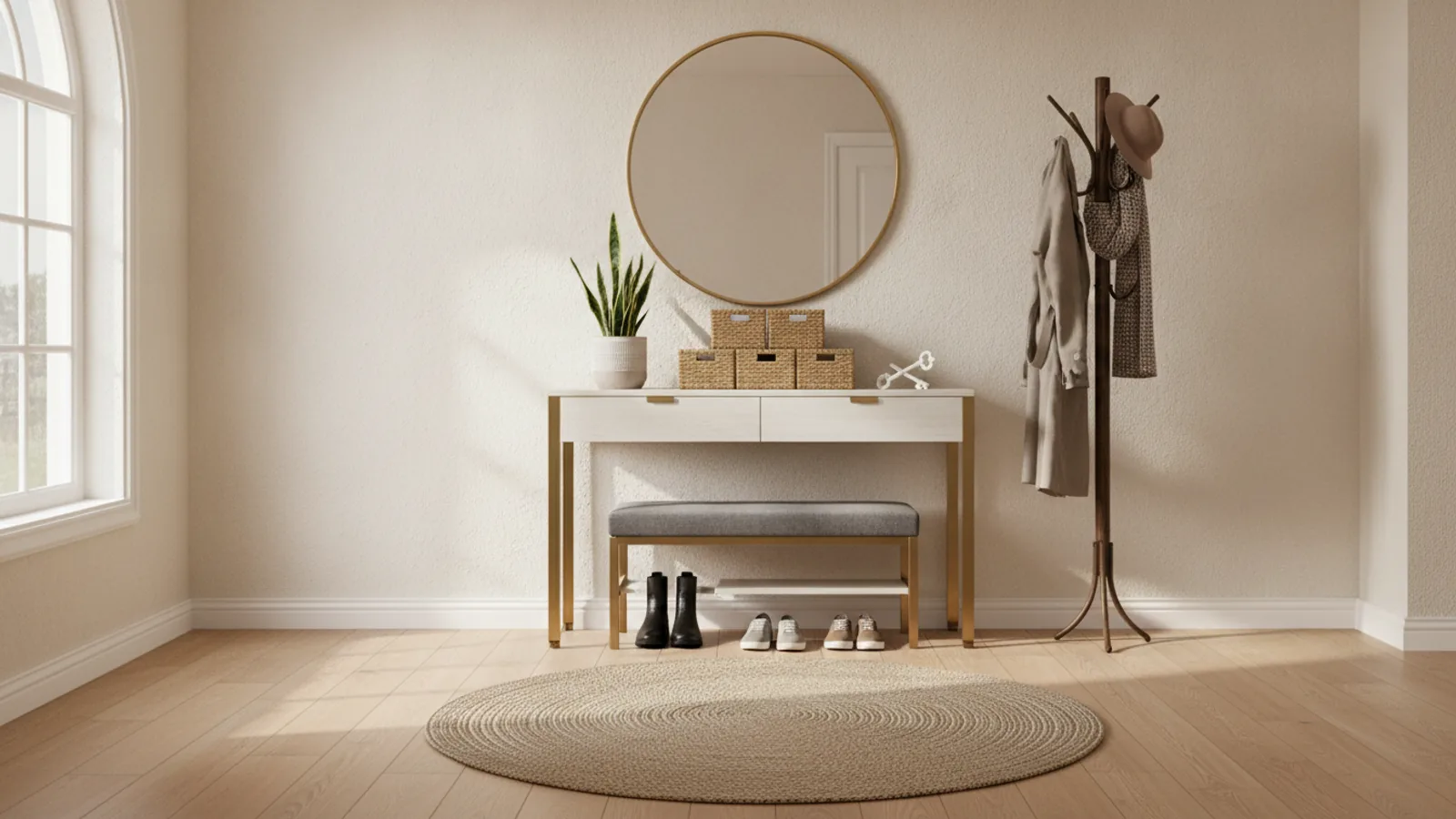
Entryway Furniture Guide
This guide explains how to approach entryway furniture guide, including the preparation, practical steps, common mistakes, and final checks that help you finish with confidence.
Before You Start
Step-by-Step Instructions
Quick Reference
Common Problems When You Plan Your Entryway Furniture
Even with careful planning, you might run into some common issues when setting up your entryway furniture. Knowing these pitfalls ahead of time can help you avoid them or fix them quickly.
Overcrowding Your Space
This is arguably the most frequent problem. It's easy to get excited and buy too many pieces or furniture that's too large for your entryway. The result is a cramped, unwelcoming space that's difficult to navigate. A cluttered entryway creates a stressful first impression for guests and a frustrating experience for residents.
Fix: Go back to your measurements. If you've already bought furniture, assess if anything can be returned or repurposed elsewhere. For new purchases, always err on the side of slightly smaller. Choose multi-functional pieces (like a storage bench) over multiple single-function items. Embrace vertical storage. Sometimes, less truly is more, especially in an entryway.
Lack of Adequate Storage
The opposite of overcrowding, this happens when you underestimate the amount of stuff that needs to live in your entryway. You might have a lovely console table, but if there's no designated spot for shoes, coats, or keys, clutter will inevitably pile up on every available surface, defeating the purpose of your furniture.
Fix: Revisit your list of items needing storage from Step 1. Are there categories you missed? Consider adding wall hooks for coats and bags, a slim shoe cabinet, or decorative baskets for smaller items like scarves and gloves. Look for furniture with hidden storage, such as drawers in a console table or an ottoman with a lift-off lid. Sometimes, simply adding a few well-placed hooks or a small tray can make a huge difference.
Cluttered Surfaces
Even with some storage, flat surfaces like console tables can quickly become dumping grounds for keys, mail, loose change, and random items. This creates visual mess and negates the effort of choosing stylish furniture.
Fix: Designate specific "landing zones" for common items. A small tray for keys and wallets, a wall-mounted mail holder, or a decorative bowl for odds and ends can corral clutter. Encourage family members to use these spots. Regularly decluttering is also key – take five minutes each day to tidy surfaces and put items in their proper place.
Poor Lighting
Many entryways, especially those without windows, can feel dark and gloomy. Inadequate lighting can make the space feel smaller and less inviting, even with beautiful furniture.
Fix: Add layers of lighting. If you only have overhead light, supplement it with a table lamp on your console table or a wall-mounted sconce. A mirror strategically placed can also reflect existing light, making the space brighter. Choose bulbs with a warm, inviting glow rather than harsh, bright white light, unless your specific decor calls for it.
Mismatching Styles or Colours
Sometimes, new entryway furniture can feel disconnected from the rest of your home, creating a jarring transition rather than a smooth welcome. This might happen if you buy pieces that don't align with your existing decor or introduce too many different colours and textures.
Fix: Before buying, consider the dominant style and colour palette of the adjacent rooms. You don't need an exact match, but aim for complementary styles and colours. Use your inspiration photos to guide your choices. If you already have clashing pieces, introduce unifying elements like a rug that ties the colours together, or decorative accessories that bridge the different styles.
Advanced Tips for Entryway Furniture Guide
Once you've mastered the basics, these advanced tips can help you elevate your entryway from merely functional to truly exceptional and seamlessly integrated into your home's design.
Embrace Multi-functional and Hidden Storage
Beyond the obvious storage bench, think creatively. Consider a console table with integrated drawers or cubbies for closed storage. Look for decorative ottomans with lift-up tops that can hide anything from extra throws to children's toys. Wall-mounted units that combine hooks, a small shelf, and perhaps a mirror are excellent space-savers. The key is to make storage an intrinsic part of the furniture piece, so it doesn't look like additional clutter.
Utilise Vertical Space Creatively
Don't just think about what fits on the floor. Go upwards! Tall, narrow shelving units can offer significant storage without eating much floor space. Install hooks at different heights for different users (adults, children). Floating shelves above a console table provide display space without adding bulk. Even an interesting piece of vertical artwork or a tall, slim mirror can draw the eye upwards, making the entryway feel grander.
Create Distinct "Zones"
For larger entryways, consider dividing the space into subtle zones. You might have a "drop zone" near the door with a small tray and hooks for keys and everyday items. A "shoe zone" could be near a bench, and a "coat zone" around a larger rack or wardrobe. These defined areas help keep different types of items organised and prevent general clutter from spreading throughout the entire entryway.
Layer Your Lighting
Good lighting isn't just about brightness; it's about mood. Combine different types of lighting to create depth and warmth. This could include a main overhead light, a task lamp on a console table for practical illumination, and perhaps a decorative wall sconce or even a small string of fairy lights for accent. Dimmers can allow you to adjust the ambiance from bright and functional to soft and welcoming.
Personalise with Purpose
While function is key, the entryway is also a place to express your personality. Instead of generic decor, choose items that mean something to you. This could be a unique piece of art, a collection of framed family photos, or a small plant in a distinctive pot. These elements make the space feel lived-in and truly part of your home, immediately conveying a sense of your style to anyone who enters.
Integrate Smart Home Technology
For a modern touch, consider integrating smart home devices. A smart light switch can turn on entryway lights automatically when you unlock the door or arrive home. A smart speaker can play music as you enter. A small smart display can show your calendar or weather as you leave. These small additions can enhance convenience and create a seamless transition into your daily routine.
Entryway Furniture Guide FAQ
Here are answers to some frequently asked questions about choosing and arranging entryway furniture:
Q: What's the most essential piece of furniture for a very small entryway?
A: For a very small entryway, the most essential piece is usually a slim, wall-mounted shelf with integrated hooks, or a minimalist floating shelf combined with individual wall hooks. These pieces provide crucial storage for keys, mail, and coats without taking up precious floor space, which is often the biggest constraint in tiny entryways. A small, narrow console table (under 25cm deep) can also work if you have a bit more width.
Q: How can I make my entryway feel larger than it actually is?
A: There are several tricks to make a small entryway feel more spacious. First, use a large mirror – it reflects light and creates the illusion of depth. Second, opt for light-coloured furniture and wall paint, as these make a space feel brighter and more open. Third, avoid bulky, heavy furniture; choose slim, leggy pieces or wall-mounted options. Finally, ensure good lighting to eliminate dark corners, and keep the space as clutter-free as possible.
Q: Should entryway furniture exactly match the rest of my house's decor?
A: Not necessarily an exact match, but it should definitely complement the rest of your home's style and colour scheme. Think of the entryway as a prologue to your home's story. It should hint at what's to come without being identical. For instance, if your living room is modern industrial, don't put a shabby chic console in your entryway. Use similar materials, a complementary colour palette, or a consistent design aesthetic to create a cohesive flow from one space to the next.
Q: How high should I hang a mirror in the entryway?
A: Generally, the centre of the mirror should be at average eye level, which is typically around 150-160cm (59-63 inches) from the floor. However, this can vary based on your height and the size of the mirror. If you're hanging it above a console table, ensure there's a comfortable gap (usually 15-20cm) between the top of the table and the bottom of the mirror. The most important thing is that it's at a practical height for you to check your reflection before leaving.
Q: What's the best way to handle shoe clutter in a busy family entryway?
A: For a busy family, dedicated and ample shoe storage is crucial. Consider a large shoe cabinet with multiple compartments that can conceal shoes from view, or a long, sturdy bench with integrated shoe cubbies or shelves underneath. Open shoe racks can work if regularly tidied, but closed storage is often better for visual calm. Assign each family member a specific shelf or basket for their most-used shoes to encourage tidiness. Regularly rotate out-of-season shoes to reduce the amount needing to be stored daily.
Final Checklist for Entryway Furniture Guide
Before you consider your entryway complete, run through this final checklist to ensure you've covered all the bases for a functional, welcoming, and organised space: